Unlocking Elegance: The Rose Script Font for Modern Design
There is a specific moment in a design project where the typography needs to do more than just convey information; it needs to convey a feeling. When a standard serif or sans serif typeface feels too rigid, we often look for something with more humanity. This is where The Rose Script enters the conversation. It is not merely a collection of letters; it is a carefully crafted smooth handwritten font designed to infuse your work with a distinct sense of sophistication. For designers, entrepreneurs, and creators ranging from ages 20 to 50, finding a typeface that balances legibility with personality is often the hardest part of the process. The Rose Script offers a solution that feels both personal and polished, bridging the gap between casual notes and high-end branding.
Understanding the Visual Personality
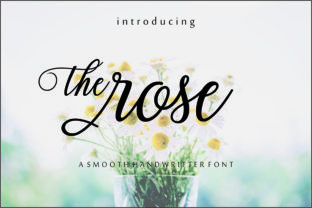
At its core, The Rose Script is a display font that mimics the fluidity of natural handwriting while maintaining the consistency required for professional use. If you look closely at the letterforms, you will notice the smooth curves and the slight variation in stroke weight that mimics a brush or pen on paper. This isn't a chaotic, messy scrawl; it is a disciplined script. The personality of this typeface is inherently romantic and approachable. It speaks to an audience that values authenticity and elegance without wanting to appear overly formal or stuffy.
In the realm of modern typography, the trend has shifted toward human-centric design. We have moved past the era where every piece of marketing needed to look like it was stamped out by a machine. Today, consumers respond to brands that feel human. The Rose Script capitalizes on this by offering a premium font aesthetic that feels handcrafted. Whether you are working on a logo design for a boutique hotel or creating social media graphics for a lifestyle brand, the visual weight of this font commands attention without shouting. It whispers luxury.
Strategic Applications: Where The Rose Script Shines
The versatility of a creative font like The Rose Script is one of its strongest assets. It is not limited to a single niche, which makes it an invaluable addition to your library of design assets. However, knowing where to apply it is just as important as having it.
Wedding and Event Stationery
The most obvious application is in the wedding industry. Invitations, save-the-dates, and thank-you cards rely heavily on typography to set the mood. A smooth handwritten font is the industry standard here because it mimics the tradition of hand-lettered calligraphy. The Rose Script excels in this environment, providing an upscale look that complements floral illustrations and soft color palettes. It brings an immediate sense of romance and celebration to the page.
Branding and Packaging Design
For small business owners and entrepreneurs, packaging design is a critical touchpoint. If you are selling artisanal goods, cosmetics, or boutique clothing, your packaging needs to reflect the quality of the product inside. Using The Rose Script on a box, label, or shopping bag can elevate the perceived value of the item. It functions beautifully as a secondary typeface in a brand identity system, paired with a clean sans serif font for body text. This combination creates a strong visual hierarchy, allowing the script to highlight the brand name while the supporting text handles the details.
Digital Presence and Editorial Design
In the digital space, readability is king, but personality is the queen. On a website, you wouldn't use a script font for your blog paragraphs—users would struggle to read it on mobile devices. Instead, The Rose Script is perfect for blog headers, pull quotes, and hero sections. It draws the eye immediately. Similarly, in editorial design, such as magazine layouts or e-book covers, this font adds a layer of sophistication that engages the reader before they even read the first sentence of the article.
The Mechanics of Influence: Perception and Engagement
Typography is psychology in visual form. The font you choose influences how your audience perceives your message. When you utilize a typeface like The Rose Script, you are actively managing your brand perception. Because the font carries connotations of elegance and care, it signals to the viewer that the creator has paid attention to detail. This builds trust.
Consider the difference between a generic business card and one that uses a thoughtful font pairing. If a business card uses a standard, default system font, it may be perceived as temporary or low-effort. However, if the name on that card is rendered in The Rose Script, it suggests that the professional values aesthetics and quality. This subtle psychological trigger can influence how a potential client or partner views your professionalism. It creates a visual anchor that aids in brand recognition. People remember how a brand made them feel, and elegant typography contributes significantly to that emotional response.
Practical Guidance for Implementation
While the aesthetic appeal of The Rose Script is high, practical application requires a strategic approach. As an experienced designer, I can tell you that using a script font effectively requires restraint and testing.
Evaluating Project Fit
Before downloading or purchasing, ask yourself if the project requires a "human" touch. If you are designing a technical manual or a legal contract, this font is inappropriate. However, if you are designing a greeting card, a quote graphic for Instagram, or a logo for a florist, it is an ideal candidate. The "smooth handwritten" quality works best when the goal is to connect emotionally rather than convey data.
Font Pairing Strategies
One of the most common mistakes with script fonts is pairing them with the wrong partner. Because The Rose Script is a display font with a lot of movement, it needs a grounding partner. I recommend pairing it with a geometric sans serif or a sturdy serif font. The contrast is what creates the beauty. The clean lines of the sans serif will make the curves of the script pop, ensuring your hierarchy is clear. Avoid pairing it with other decorative or handwritten fonts, as this creates visual noise and confusion.
Readability and Hierarchy
Legibility should always be your primary concern. The Rose Script is designed to be legible, but context matters. Use it for headlines, subheadings, and accents. Avoid using it for long blocks of body copy. If you are using it for a logo, ensure the letter spacing (tracking) is adjusted so the letters don’t collide awkwardly, though the font's design generally handles connections well. Always print a test copy or view it on multiple screen sizes to ensure the elegance holds up at different scales.
Licensing and Commercial Use
Finally, always verify the licensing. If you are using The Rose Script for a client’s logo or a product that will be sold, you need to ensure you have the appropriate commercial license. Most premium fonts require an extended license for high-volume merchandise. Respecting the font designer’s work by securing the right license is a hallmark of a professional creative.
Conclusion
In a world saturated with content, the details matter. The Rose Script is more than just a font; it is a tool for storytelling. It allows designers, marketers, and business owners to inject a sense of care, elegance, and personality into their work. Whether you are crafting a wedding invitation, building a luxury brand identity, or designing a captivating social media post, this smooth handwritten font provides the versatility and visual appeal needed to stand out. By understanding its strengths and applying it with strategic intent, you can transform a standard design into something truly memorable.