Teacher Script: The Elegant Handwritten Font for Designers
There is a specific challenge in modern typography: finding a script font that feels personal and authentic without sacrificing legibility or professionalism. Many handwritten typefaces lean too far into casual territory, looking messy or childish. Others are so formal they feel cold. Teacher Script strikes a rare balance. It is an elegant, stylized typeface that carries the warmth of a human hand while maintaining the structure required for high-end design work.
Understanding the Personality of Teacher Script
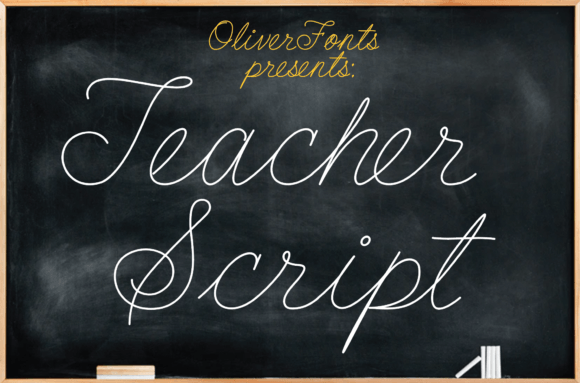
When you look at Teacher Script, the first thing you notice is the flow. The letterforms are connected in a way that mimics natural handwriting, but the strokes are refined. You won’t find the jagged edges or rough baselines often associated with free fonts. Instead, this is a premium font designed with smooth curves and consistent pressure. It feels like a note written by someone with excellent penmanship—perhaps a favorite teacher or a respected mentor—which is likely where the name originates.
The visual character of this typeface is sophisticated. It avoids the overly flourished look of Victorian scripts, yet it isn't a stark, minimalist line. It sits in a sweet spot: modern elegance. The slight slant gives it dynamic energy, suggesting forward movement. This makes it an excellent choice for brand identity projects that need to convey trust, creativity, and approachability all at once.
Where Teacher Script Truly Shines
Because of its versatility, Teacher Script can be applied across a wide range of creative mediums. However, understanding where a script font works best is key to effective design assets management.
Branding and Logo Design
In logo design, a font needs to be memorable. Teacher Script offers a distinct personality that helps brands stand out. It works exceptionally well for lifestyle brands, boutique agencies, coaching services, and creative studios. Imagine this font on a business card for a wedding planner or a high-end bakery. The handwritten font style instantly communicates a human touch, suggesting that the business values personal connection over faceless corporate transactions.
Editorial and Publishing
Publishers and bloggers often struggle with hierarchy. While a serif font or sans serif font handles the body text, you need a display option for headlines to grab attention. Teacher Script is a strong contender for chapter titles, pull quotes, or featured article headers in editorial design. It adds a layer of sophistication to magazines, book covers, and digital blogs, breaking up the monotony of standard text blocks.
Packaging and Product Design
For small business owners creating physical products, packaging is the first point of contact. Teacher Script excels in packaging design, particularly for artisanal goods. Think of coffee bags, candle labels, or organic skincare. The font’s elegance suggests quality ingredients and careful craftsmanship. It tells the customer that thought was put into the product before they even open it.
The Strategic Impact on Brand Perception
Choosing a font is not merely an aesthetic decision; it is a strategic one. Typography influences how your audience perceives your message before they read the words. Using Teacher Script can subtly shift brand perception in several ways:
- Professionalism with Warmth: Unlike a standard corporate serif font, Teacher Script softens the professional image. It makes a brand feel accessible and friendly, which is vital for service-based entrepreneurs.
- Visual Hierarchy: In web design, this font can guide the user's eye. When paired with a clean sans serif font for body copy, the script creates a clear focal point for headlines and calls to action.
- Consistency: Because Teacher Script is a commercial font with stable construction, it renders well across different sizes. You can use it on a billboard or a social media icon without losing its essential character, ensuring brand consistency.
Practical Guidance for Implementation
Adopting a new creative font into your workflow requires more than just installation. To get the most out of Teacher Script, consider these practical steps:
Testing Font Pairings
No script font should be used for large blocks of text. Teacher Script is a display font, meaning it is designed for impact, not for reading paragraphs. The most effective way to use it is through font pairing.
- Pair with Sans Serif: For a modern, clean look, combine Teacher Script with a geometric sans serif font. This contrast highlights the elegance of the script while keeping the overall layout grounded and readable.
- Pair with Serif: If your brand leans toward traditional or academic values, pairing it with a classic serif font creates a rich, textured look suitable for publishing and editorial design.
Readability and Spacing
While Teacher Script is legible for a script, you must pay attention to tracking (letter spacing) and leading (line spacing). Because the letters connect, they can look crowded if placed too tightly. Always give this typeface room to breathe. If you are using it for social media graphics, ensure the background doesn't compete with the intricate strokes of the letters. A solid color or a very blurred background usually works best.
Licensing and Usage
As a premium font, Teacher Script comes with specific licensing terms. It is essential to review the commercial font license before using it in client work, merchandise, or app development. Most licenses cover print and digital use, but if you plan to embed the font in software or sell products where the font file is included (like editable templates), you may need an extended license. Always verify the terms to protect your business and your clients.
Conclusion
Teacher Script is more than just a collection of letters; it is a design asset that adds emotional resonance to your projects. Whether you are a designer refining a brand identity, a blogger enhancing web design, or a crafter perfecting packaging design, this handwritten font provides the elegance and versatility needed to elevate your work. It bridges the gap between the personal touch of handwriting and the requirements of professional modern typography.