My Story Script: A Creative Font for Modern Brands
There is a distinct challenge in digital design: capturing the warmth of a handwritten note within the precision of a professional layout. We often rely on standard sans serif typefaces for clarity, but they can sometimes strip away the personality a brand needs to stand out. This is where the right creative font becomes a game-changer. My Story Script enters this space not just as a set of letters, but as a tool for storytelling. It bridges the gap between the polished requirements of modern typography and the organic feel of a personal signature.
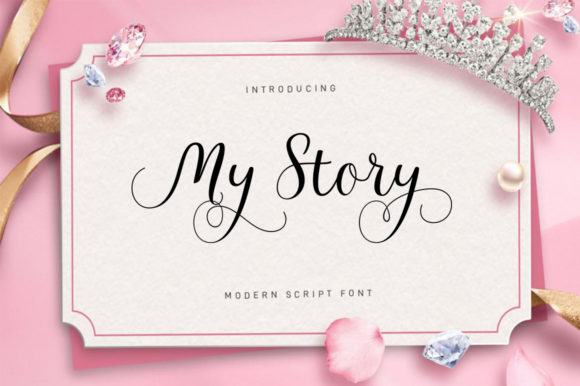
When you first encounter My Story Script, you notice it avoids the stiffness of traditional calligraphy. It is a modern script font, characterized by a trendy and feminine aesthetic that feels incredibly current. The defining feature is its irregular baseline. Unlike rigid, geometric fonts that sit perfectly flat on a horizontal axis, this typeface mimics the natural flow of a hand moving across paper. This subtle movement gives the text a sense of energy and authenticity. It isn’t messy; it is expressive. This balance makes it a premium font choice for designers who want to inject emotion into their work without sacrificing professionalism.
The Anatomy of a Trendy Script Font
Understanding the visual weight of My Story Script is key to using it effectively. It functions primarily as a display font. This means it is designed to be seen at larger sizes—think headlines, logos, and headers—rather than used for long blocks of body text. The letterforms have a soft, flowing quality with a moderate slant, creating a rhythm that guides the eye naturally from left to right.
The personality of this typeface is approachable and intimate. It works exceptionally well when paired with a clean sans serif font. The contrast between the organic, flowing script and the structured, geometric lines of a sans serif creates a visual hierarchy that is easy to navigate. For example, using My Story Script for a main headline paired with a light, airy sans serif for the body copy creates an immediate sense of elegance and readability. This font pairing strategy is essential in editorial design and web design, where clarity must coexist with style.
Where My Story Script Fits Best
The versatility of My Story Script lies in its ability to adapt to various mediums while maintaining its core identity. In the realm of brand identity, it is a powerful asset for businesses targeting a female demographic or those in the lifestyle, beauty, or wedding sectors. A logo design utilizing this typeface immediately signals creativity and care. It suggests that the brand values personal connection, making it an excellent choice for entrepreneurs and small business owners looking to build trust with their audience.
Beyond logos, the applications in print and digital media are extensive. Here is where this design asset truly shines:
- Wedding Invitations and Stationery: The irregular baseline mimics the look of high-end hand-lettering, making it perfect for bespoke stationery without the cost of custom calligraphy.
- Packaging Design: For products like candles, cosmetics, or artisanal foods, My Story Script adds a touch of luxury and human craftsmanship to the label.
- Social Media Graphics: In a fast-scrolling environment, the distinct personality of this font stops the thumb. It is excellent for quotes, announcements, and Instagram stories where engagement is the goal.
- Greeting Cards and Quotes: The emotional resonance of the font makes it ideal for typography-based art and thoughtful messages.
Strategic Application: Readability and Hierarchy
While the aesthetic appeal of My Story Script is evident, a seasoned designer knows that utility is just as important. One of the most common pitfalls with script fonts is legibility. Because of the connecting strokes and stylistic flourishes, scripts can sometimes become difficult to read, particularly on small screens or at low resolutions.
However, My Story Script manages to maintain a high degree of legibility despite its decorative nature. The spacing between characters is carefully balanced to prevent the letters from crowding each other. That said, you must respect its role as a display typeface. Do not use it for paragraph text. If you try to write a blog post or a product description entirely in a script font, you will frustrate your reader and damage the user experience.
Instead, use it to create visual anchors. In web design, use it for the H1 or H2 headings to establish the mood, then switch to a standard serif or sans serif font for the body. This creates a clear distinction between the "voice" of the brand (the script) and the information being conveyed. This approach improves the overall readability of the page while keeping the design visually interesting.
Evaluating Project Fit and Commercial Use
Before integrating any new typeface into your workflow, it is vital to evaluate the specific needs of your project. My Story Script is a commercial font, which usually implies a licensing structure that protects both the creator and the user. If you are a designer creating a logo for a client, or a business owner using it on your merchandise, you need to ensure your license covers commercial use. Most premium font providers offer clear documentation on this, so always review the terms to avoid legal headaches down the road.
When testing the font, don't just type out the alphabet. Type out the specific words you intend to use. Script fonts often have specific letter combinations—like "th," "oo," or "st"—that interact in unique ways. You want to ensure that the connections look smooth and that the overall word shape is pleasing to the eye. Check if the font includes stylistic alternates or ligatures. These extra glyphs allow you to customize the look of the text, swapping out a standard "e" for a more elaborate one to add a unique flair to a logo or headline.
Building a Cohesive Visual Language
Consistency is the cornerstone of effective branding. When you choose My Story Script as part of your typography toolkit, you are making a statement about your brand's personality. It suggests a brand that is modern, approachable, and detail-oriented. To maintain this consistency, create a style guide that dictates exactly how and where this font should be used.
For instance, you might decide that My Story Script is only used for the primary logo and the main headings of your website. Everything else—sub-headings, body text, buttons—might use a complementary sans serif like Montserrat or Lato. This restriction prevents the font from being overused. If everything is emphasized, nothing is emphasized. By limiting the script to high-impact areas, you ensure it retains its special status and draws the eye exactly where you want it.
Furthermore, consider the medium. While My Story Script looks stunning in print, particularly on textured card stock, digital rendering can vary. Always test the font on different devices and browsers. Check the rendering on an iPhone versus an Android device, and on a high-resolution MacBook screen versus a standard office monitor. A high-quality typeface should hold up well across these environments, maintaining its charm without pixelation or blurring.
Final Thoughts on Creative Typography
Typography is more than just choosing a font; it is about choosing a voice. My Story Script offers a voice that is confident, stylish, and deeply human. It moves away from the cold perfection of digital automation and embraces the beauty of imperfection. For the entrepreneur, the blogger, or the creative professional, this typeface provides a way to connect with an audience on an emotional level.
Whether you are designing a wedding invitation, crafting a social media campaign, or defining a new brand identity, the tools you choose define the result. By incorporating a versatile and well-crafted script font like this one, you elevate your design from mere information to an experience. It proves that in a world of standard text, there is still plenty of room for a personal story.