Kumala Script: The Handwritten Font with Authentic Charm
Understanding the Handmade Appeal
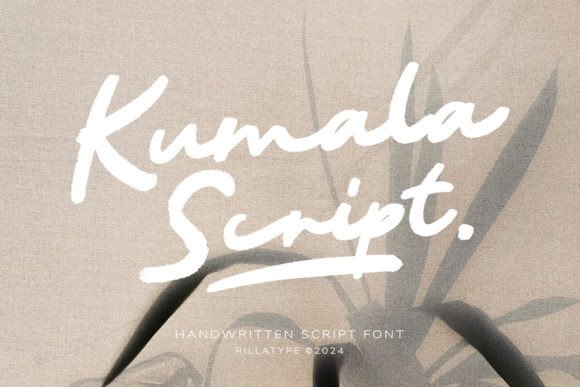
There's a reason we're drawn to things that feel made by hand. In a world saturated with crisp, digital perfection, a handwritten note or a sketched logo carries a weight of authenticity that's hard to replicate. This is the core idea behind the Kumala Handwritten Script. It's not just a collection of letters; it's a digital artifact designed to capture the subtle, beautiful imperfections of a real pen on paper. The strokes have a natural flow, with slight variations in pressure and angle that give it a living, breathing quality. It’s a font that feels personal before you even type a word.
As a designer, I'm always looking for tools that bridge the gap between digital efficiency and human connection. Kumala does this exceptionally well. Its personality is warm, approachable, and slightly organic. It doesn't try to be a formal calligraphy script or a frantic scrawl. Instead, it occupies a comfortable middle ground—elegant enough for an invitation, yet casual enough for a social media quote. This versatility is its greatest strength, making it a valuable asset in any designer's toolkit.
Where Kumala Script Truly Shines
Choosing the right script font is about matching its personality to the project's goals. Kumala Handwritten Script excels in contexts where a human touch is paramount. Think about the last time you received a beautifully designed wedding invitation or a thank-you card. That feeling of care and attention often comes from a typeface like Kumala. It's perfect for:
- Invitations & Stationery: From weddings to baby showers, its fluid lines add instant elegance and a personal feel.
- Branding & Logo Design: For small businesses, cafes, bakeries, or artisans, a handwritten font like Kumala can build a brand identity that feels friendly, trustworthy, and unique. It tells customers there's a person behind the product.
- Editorial Design & Publishing: Used sparingly in magazines or blog headers, it can draw the eye and create a striking contrast against clean serif font or sans serif font body text.
- Product Packaging & Labels: On a jam jar, a candle box, or a craft beer label, Kumala adds a layer of perceived quality and artisanal care.
- Digital Content: It's a standout for social media graphics, website hero images, and email newsletter headers, helping content feel more curated and less generic.
The key is application. You wouldn't set a 200-page novel in Kumala—its charm would become a readability challenge. But for headlines, logos, and short bursts of text, it’s a powerhouse. It’s a display font at heart, designed to be seen and appreciated for its aesthetic contribution to the overall design.
Making Smart Typography Choices
Integrating a premium font like Kumala into your workflow is a strategic decision. It’s more than just a design asset; it’s a component of your visual communication. Here’s how to approach it practically.
Evaluating the Fit: Before you commit, look at the font's character set. Does it include the ligatures and alternate letters you need? A good script font will offer these to avoid awkward connections between letters, ensuring the text looks truly handwritten. Test it with your actual project copy—your business name, a key tagline—to see how it feels in context.
Mastering Font Pairing: This is crucial. A strong script like Kumala demands a simple, stable partner. Pair it with a clean, geometric sans serif font for modern contrast or a classic serif font for a more traditional, elegant feel. The goal is balance. Let Kumala be the star for headlines or logos, and use the supporting font for longer, readable paragraphs. This creates a clear visual hierarchy that guides the reader's eye.
Considering the Medium: Test the font at the sizes you'll actually use. At very small sizes, some of its delicate details might get lost. For web design, ensure you have the proper web font license. For print projects like packaging design, check the file formats provided. Understanding the technical requirements of your medium is just as important as loving the aesthetic.
Licensing for Growth: If you're using Kumala for client work or commercial products, ensure you have the correct commercial font license. This is a professional standard that protects both you and the font creator. It allows you to use the font confidently across all your projects, building a consistent and professional brand identity over time.
Ultimately, a typeface like Kumala Handwritten Script is a tool for connection. It helps transform a simple message into something that feels considered, crafted, and human. By understanding its strengths and applying it thoughtfully, you can elevate your designs and create work that truly resonates.