Hasella Script: A Hand-Lettered Typeface for Authentic Design
In a world saturated with digital perfection, there's a growing hunger for authenticity. We crave designs that feel personal, crafted, and human. This is precisely where Hasella Script finds its voice. It’s not just another script font; it’s a carefully hand-lettered typeface that carries the warmth and subtle imperfections of real ink on paper. For designers, entrepreneurs, and creators, understanding its unique character is the first step to unlocking its potential in your work.
The Visual Personality of Hasella
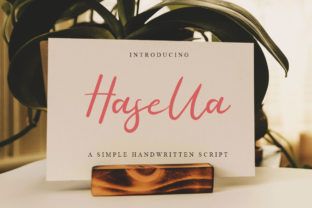
At its core, Hasella Script is a masterclass in balanced simplicity. It avoids the extremes of overly ornate calligraphy or rough, casual scrawl. Instead, it occupies a sweet spot: elegant yet approachable, stylish but not fussy. The letterforms flow with a natural, connected rhythm, mimicking the gestural quality of a skilled hand with a brush pen or fine-tipped marker. You’ll notice subtle variations in stroke weight and delicate, unforced swashes that add personality without overwhelming the text. This inherent grace gives it a versatile appeal, making it feel both timeless and refreshingly modern.
Its true strength lies in its ability to convey emotion and intent quickly. A logo set in Hasella Script immediately suggests craftsmanship and care. On a greeting card, it whispers sincerity. For a social media quote, it adds a touch of personal flair that standard fonts simply can’t match. It’s a premium font that acts as a design shortcut to achieving a bespoke, handcrafted aesthetic.
Where Hasella Script Truly Shines: Practical Applications
Knowing a font looks nice is one thing; knowing where to deploy it effectively is the real skill. Hasella Script is a versatile player, but it excels in specific scenarios where its personality can amplify the message.
- Brand Identity & Logo Design: For businesses built on authenticity—think artisan bakeries, boutique studios, wedding planners, or indie authors—Hasella Script can form the cornerstone of a memorable brand identity. It works beautifully for logos, business cards, and packaging, instantly communicating a hands-on, quality-focused ethos. Pair it with a clean, geometric sans serif font for body text to create a stunning font pairing that balances flair with readability.
- Editorial & Packaging Design: In editorial design, it’s perfect for headlines, chapter titles, or pull quotes in magazines and books, adding a personal touch that draws the reader in. For packaging design, especially for products like cosmetics, specialty foods, or handcrafted goods, it elevates the label from mere information to a part of the product experience.
- Digital & Social Media Graphics: The digital realm is where its warmth cuts through the noise. Use it for impactful social media graphics, Instagram quotes, YouTube thumbnails, or email newsletter headers. It’s also a strong choice for hero sections on a web design project, provided it’s used for short, impactful headings where its character can be fully appreciated.
- Stationery & Personal Projects: This is its natural habitat. Greeting cards, wedding invitations, thank-you notes, and personalized stationery are transformed by Hasella Script. It brings a level of thoughtfulness and care that printed text often lacks, making every piece feel unique.
Making Hasella Script Work for You: A Practical Guide
Choosing a creative font like Hasella Script is just the beginning. Using it effectively requires a bit of strategy to ensure it enhances, rather than hinders, your project.
Evaluate the Context: Always ask: does the font's personality match the project's tone? Hasella Script’s elegance suits celebratory, personal, or boutique contexts. It might feel out of place for a corporate financial report or a technical manual. Its strength is in display font applications—think headings, logos, and short bursts of text—where its details can be seen and appreciated.
Prioritize Readability: The number one rule with any script font is to not sacrifice clarity for style. Use it at larger sizes for headlines. For body copy, even a few sentences, its connected nature can become tiring to read. This is where a reliable serif font or sans serif font steps in. A classic pairing is Hasella Script for the headline with a font like Montserrat or Lora for the supporting text. This creates a clear visual hierarchy that guides the viewer’s eye.
Test Thoroughly: Before finalizing a design, always test how the font renders. Check it on different backgrounds, at various sizes, and on both screen and print if applicable. Look at the specific words you’ll be using; sometimes letter combinations can create awkward connections. A good commercial font like Hasella will include multiple stylistic alternates and ligatures. Don’t forget to explore these in your software’s glyphs panel—they can solve spacing issues and add extra flair to key letters.
Understand the License: As a professional design asset, it’s crucial to ensure your license covers your intended use. Whether it’s for a client’s logo, product packaging for sale, or a personal blog, verify that the commercial license permits that application. This due diligence protects you and respects the work of the type designer.
Ultimately, Hasella Script is a tool for storytelling. It doesn’t just display words; it infuses them with a sense of humanity and care. By understanding its strengths and applying it thoughtfully, you can leverage this handwritten font to create designs that don’t just look good, but feel genuinely connected to the audience you’re trying to reach. It’s about choosing the right voice for your visual narrative.